
Frog

Frog

A frog is the portion of a railroad turnout or crossing that provides flangeways where two running rails intersect.

Because wheels pass through the rail intersection at the frog, it is subject to impact and wear and requires regular inspection and maintenance.

Turnout

Turnout

A turnout is an arrangement of rails, switch points, a frog and related components that allows rail equipment to move from one track to another.

Turnouts are used in yards, sidings, industrial tracks and mainline connections and require inspection, adjustment and maintenance.

Crosstie

Crosstie

A crosstie, also called a railroad tie, is a transverse structural member that supports the rails, maintains track gauge and transfers train loads into the ballast and roadbed.

Crossties may be constructed from wood, concrete, steel or composite materials and are secured to the rail with a fastening system.

Ballast

Ballast

Ballast is the graded stone placed beneath and around railroad ties to support the track, distribute loads and help maintain alignment and drainage.

Ballast can become fouled by soil, debris and broken material, reducing drainage and track support and creating a need for cleaning, undercutting or replacement.

Site Selection

Site Selection

Site selection is the process of evaluating locations for an industrial, manufacturing, logistics or distribution facility.

For a rail-related project, considerations may include railroad access, available land, interchange connections, track configuration, utilities, permitting, workforce and future expansion.

Rail Access

Rail Access

Rail access is the ability of a property, facility or customer to receive or ship freight by rail.

It may be provided through a direct sidetrack, an industrial spur, a nearby transload facility or another connection to a serving railroad.

Rail-Served Site

Rail-Served Site

A rail-served site is an industrial or commercial property with direct access to a railroad for receiving or shipping freight.

The site may include one or more sidetracks, loading or unloading areas, storage tracks and connections to the broader rail network.

Industrial Development

Industrial Development

Industrial development is the planning and delivery of sites, rail access and infrastructure that support new or expanding industrial operations.

Railroad industrial development may include site evaluation, conceptual planning, coordination with connecting railroads and development of track and transload solutions.

Design-Build

Design-Build

Design-build is a project delivery method in which design, engineering and construction responsibilities are coordinated through a single provider or project team.

For railroad projects, the approach can improve coordination between design requirements, railroad operations, material procurement and field construction.

Locomotive Repair

Locomotive Repair

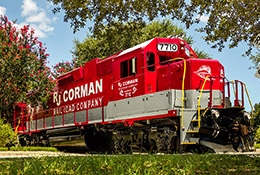
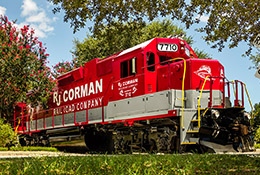
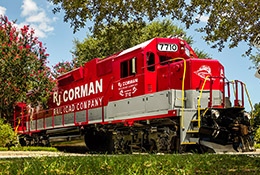
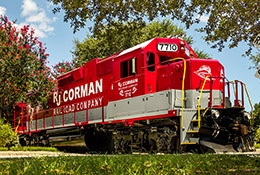
Locomotive repair is corrective mechanical or electrical work performed to return a locomotive to service after a defect, failure or damage.

Repairs may be performed at a shop or in the field and can range from component replacement and running repairs to more extensive restoration work.

Subscribe to